Call them what you like
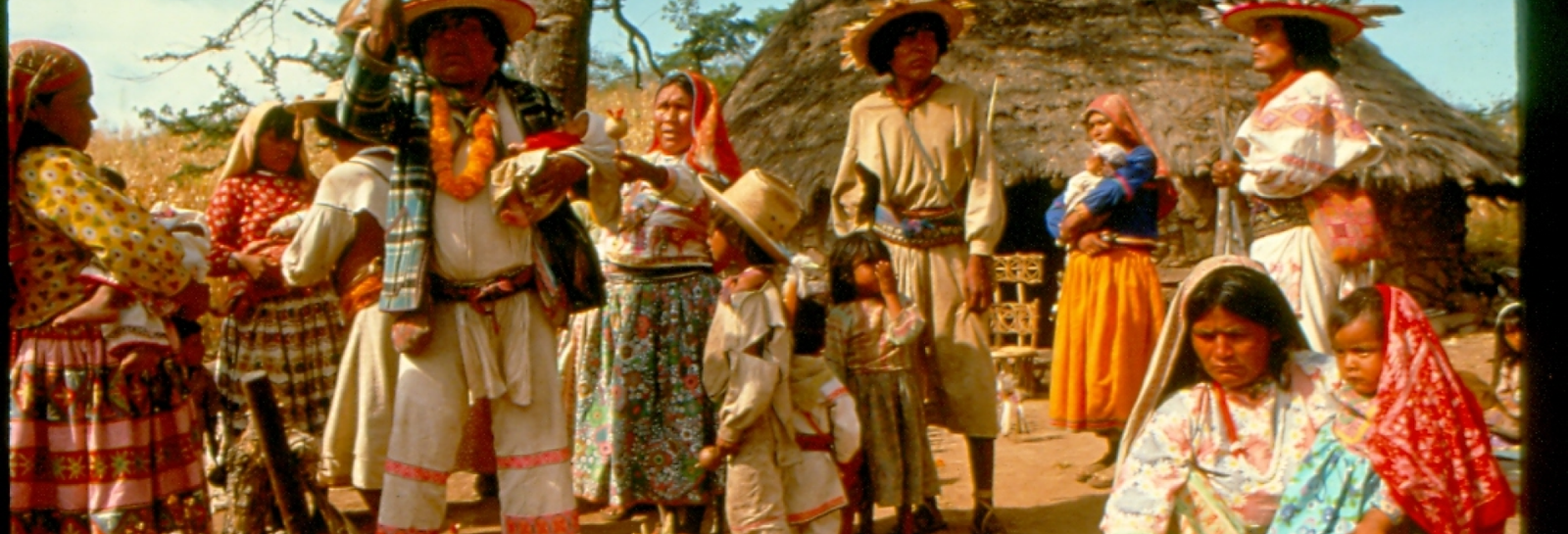
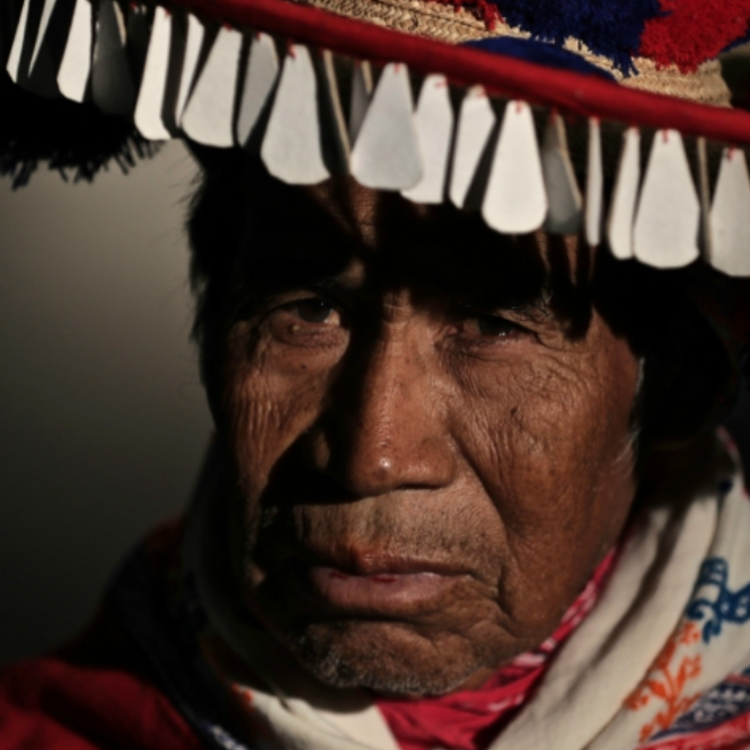
Purists say we should call them Wixárika (singular) or Wixaritari (plural), but the Spanish word is “Huichol”. Most of them don’t mind being called “Huicholes”; they have been called that for 400 years. By the way, the “x” is pronounced like a rolled double “r”.
Original text (in Spanish): Curiosidades de la etnia wixárika
Where they live
In the Sierra Madre Occidental, in the states of Jalisco and Nayarit. A couple of communities live outside this region: one in Durango and the other in Zacatecas. Of all the Wixaritari communities, five ceremonial centers are the most important: San Andrés Cohamiata, Santa Catarina Cuexcomatitlán, Tuxpan de Bolaños, San Sebastián Teponahuaxtlán (these four in Jalisco) and Mesa del Nayar (Nayarit).
Peyote is sacred
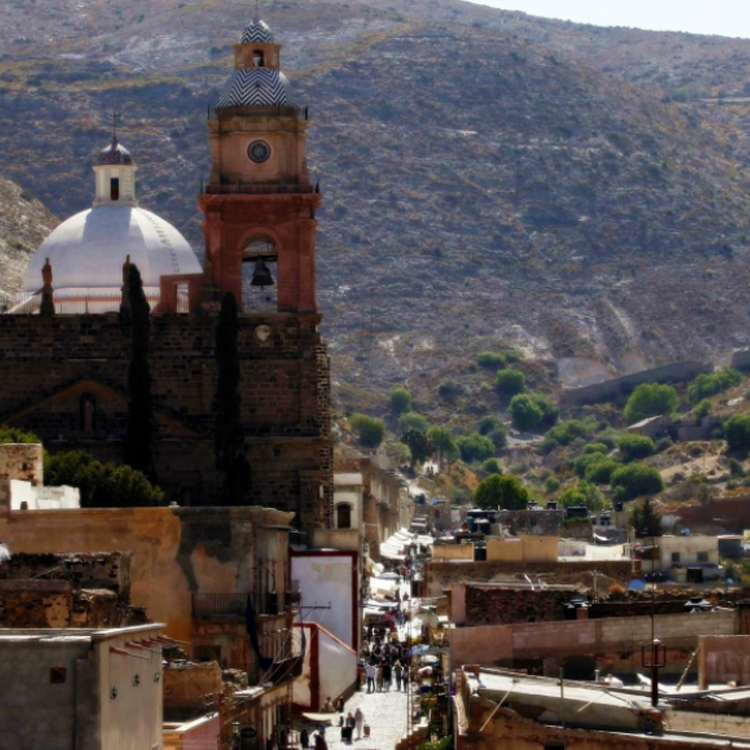
Lophophora williamsii is a cactus found in the desert of Real de Catorce, in San Luis Potosí. It is what allows the Wixárika to reach a state of trance –which can last hours or weeks– and obtain knowledge, or nierika. The Huicholes do not live under the effects of peyote, and that idea should be avoided: they only take it in one or two ceremonies a year. The cactus is so sacred that it is comparable to the Christian host.

Huichol art
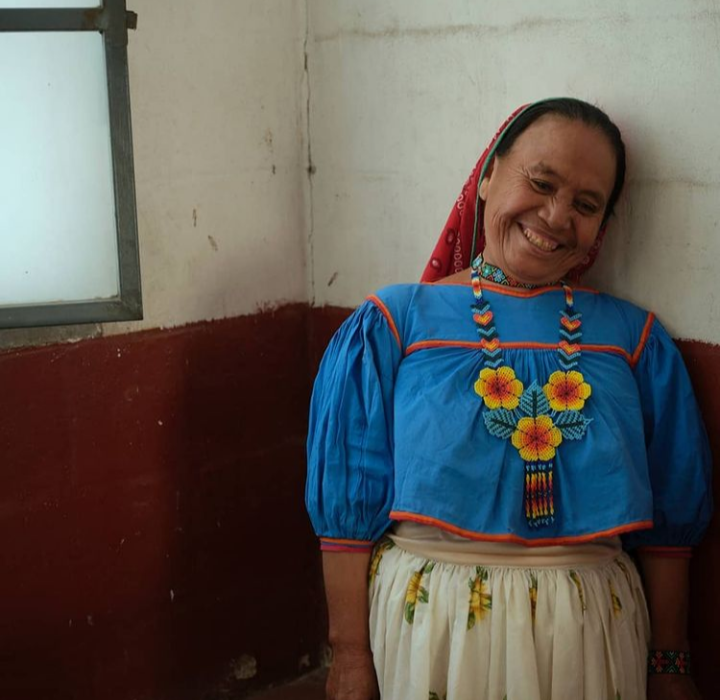
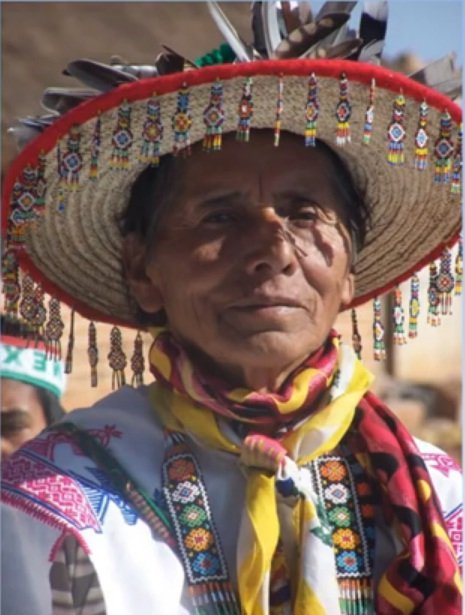
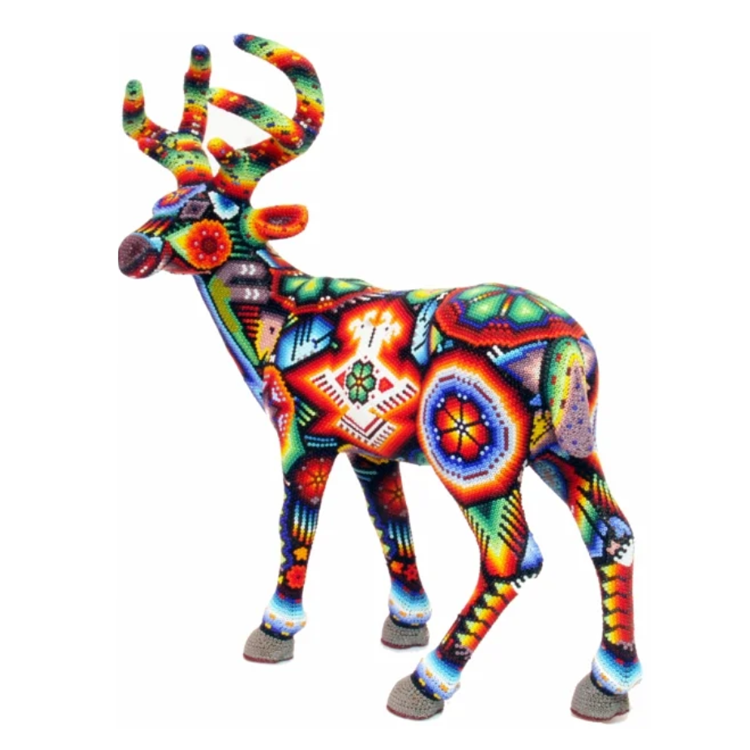
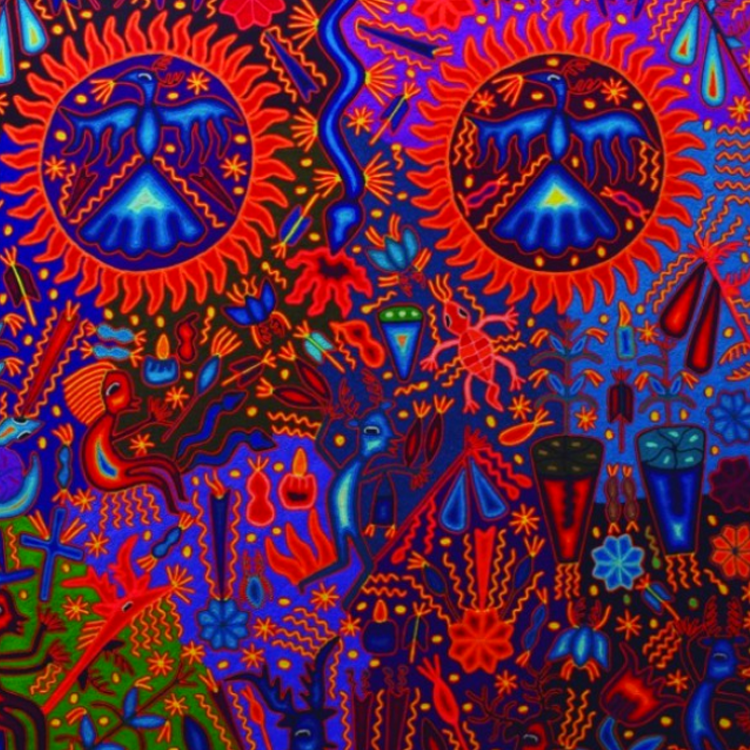
Today there is contemporary Huichol art, derived from the traditional art seen on ceremonial objects once given as offerings, on clothing and on shoulder bags. The switch from quartz and shell to glass beads began in the late 19th century; in fact, the beads came from what is now the Czech Republic. Before the 1960s, yarn paintings were made with pochote and raw wool. The yarn paintings depict the visions obtained in ceremonies, and the beaded pieces express prayers to different deities.

